

Parkinson's Disease Resource Center

The availability of reliable, specific, and high-quality antibodies is an ongoing challenge for Parkinson’s disease research. CST has partnered with The Michael J. Fox Foundation for Parkinson’s Research (MJFF) to help identify gaps in antibody research tools and develop validated and reliable reagents to move PD research forward.
More than 10 million people worldwide are currently living with PD, yet much about the condition is poorly understood. Professionally, CST scientists are a passionate group of researchers who care deeply about understanding the underlying mechanisms of PD and enabling discovery research through the development of antibodies to critical targets. Personally, we are also driven by our own experiences with this debilitating neurological disease and are committed to facilitating the development of novel therapeutics.
As part of this partnership, CST scientists are working in collaboration with MJFF to develop and make available high-quality antibodies to important PD targets. These novel products will join our existing, extensive portfolio of antibodies and assay kits to interrogate key PD-associated proteins, including DJ-1 (PARK7), LRRK2/dardarin, α/β-synuclein (SNCA), and PINK1.
Parkinson’s Disease Scientific Resources
Here, we share a curated collection of scientific resources and the latest antibody tools to help accelerate your research.
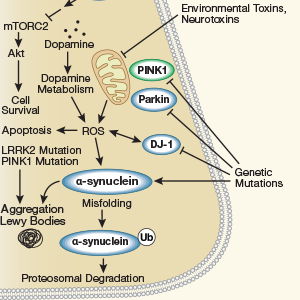
Explore the dopamine signaling pathway.
Identify and characterize disease-associated neuronal and glial cells.

Use the Hallmarks of NDG framework to study PD molecular biology.
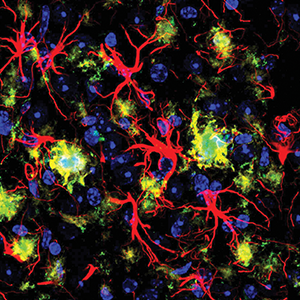
Browse our broad portfolio of NDG research products.
Related Blogs
- Top 10 Biomarkers Powering Parkinson’s Disease Research
- Antibody Toolbox: Neurodegenerative Disease Biomarker Research with Biofluid Samples
- Characterizing the Autophagic-Lysosomal Pathway in Parkinson’s Disease
- Unravelling Parkinson’s Disease: The Role of Mitophagy, Autophagy & Lysosomal Processing
- Taking Out the Mitochondria in Parkinson’s Disease
Novel Tools Developed in Partnership with MJFF
To accelerate Parkinson’s disease (PD) research, CST scientists develop high-quality monoclonal antibodies and products for promising PD targets in collaboration with The Michael J. Fox Foundation. Browse the most innovative tools available today.
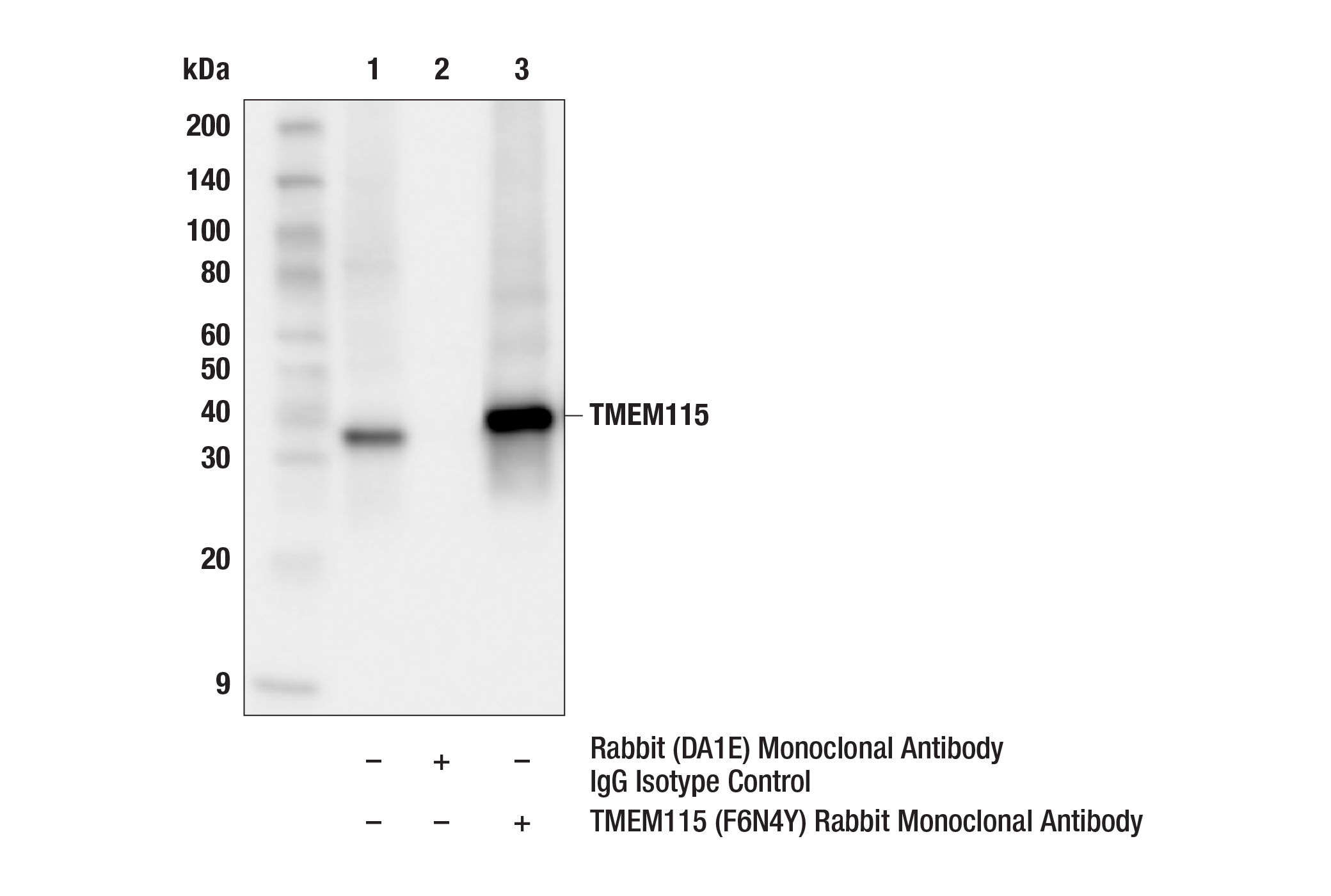
TMEM115: Golgi Marker
Golgi dysfunction is associated with many diseases, including neurodegeneration. As a Golgi-specific transmembrane protein, TMEM115 can be leveraged for immunoprecipitation experiments to purify and study the Golgi proteome, metabolome, and lipidome in the context of Parkinson’s disease.
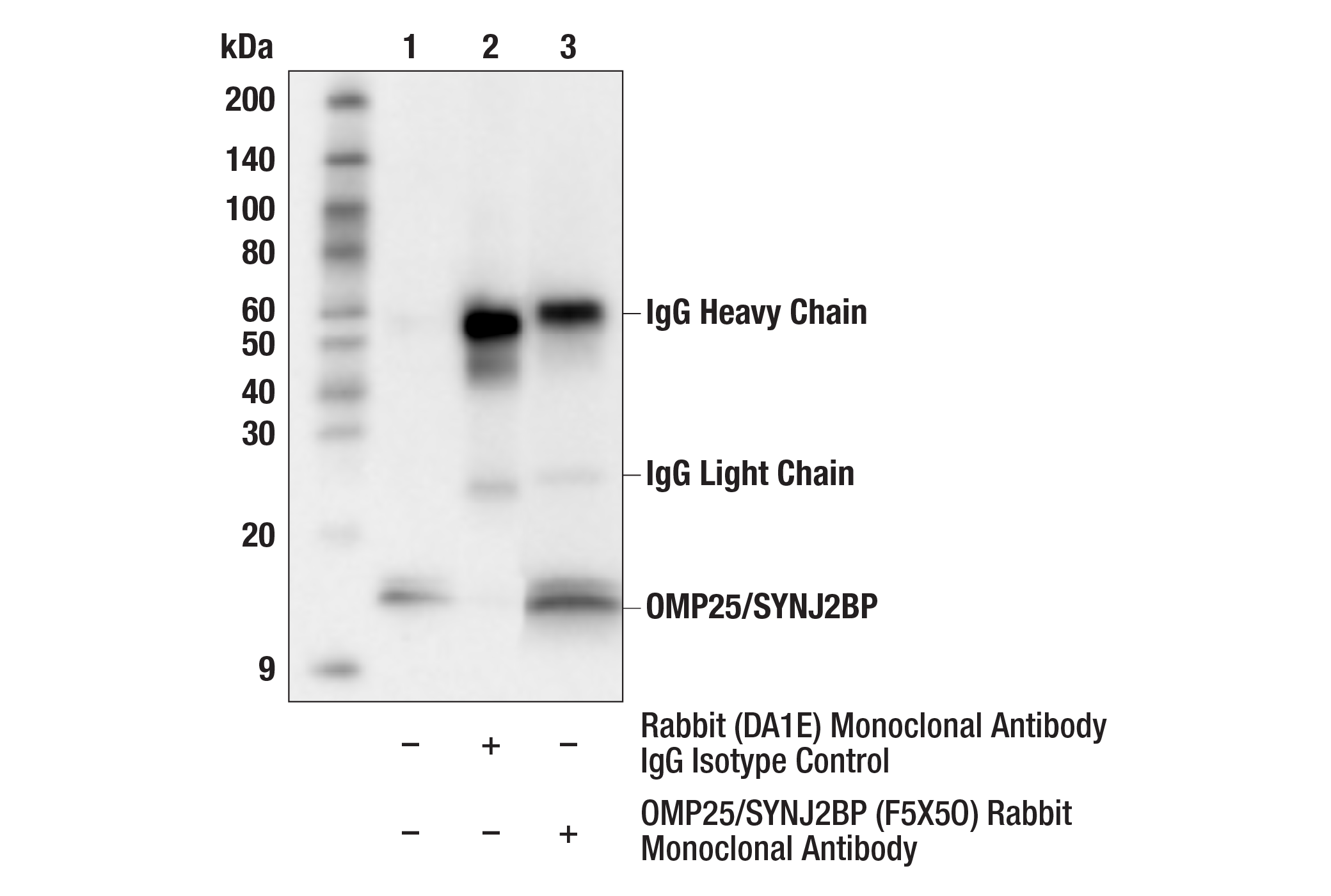
OMP25/SYNJ2BP: Mitochondria Marker
OMP25 acts as a critical mitochondrial signaling hub that regulates neuronal health by managing organelle communication and the translation of PINK1 mRNA. By facilitating local PINK1 production in distal cell regions, it ensures the mitochondrial quality control necessary to prevent neurodegeneration and maintain brain function.
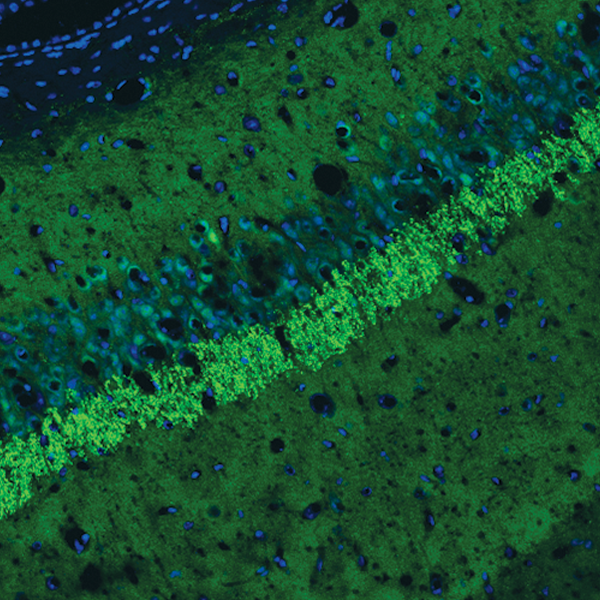
TMEM192: Lysosomal Marker
In the mouse brain, TMEM192 expression is found predominantly in the hippocampus, alongside notable presence in the cortex and cerebellum. TMEM192 has been identified as an integral component of a signaling axis involved in lysophagy, thereby playing a vital role in maintaining lysosomal integrity.
Featured Tools for Parkinson’s Disease Research
Take control over your project with supply-stable monoclonal antibodies. Many of these products are also available carrier-free, or conjugated to fluorophores across the spectrum.
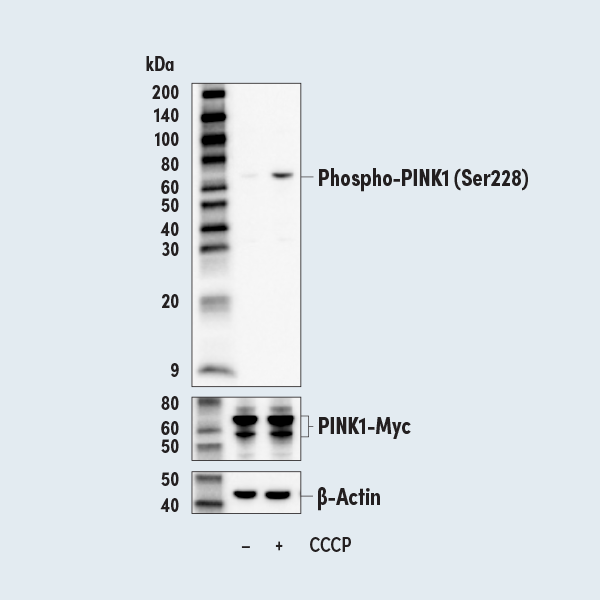
Phospho-PINK1 (Ser228): PD Mitochondrial Dysfunction
The autophosphorylation of PINK1 at Ser228 and Ser402 is necessary for Parkin recruitment to damaged mitochondria. PINK1 phosphorylates Parkin, promoting its translocation into mitochondria. Mutations in PINK1 are linked to autosomal recessive, early-onset PD, and are associated with loss of protective function, mitochondrial dysfunction, aggregation of α-synuclein, and proteasome dysfunction.
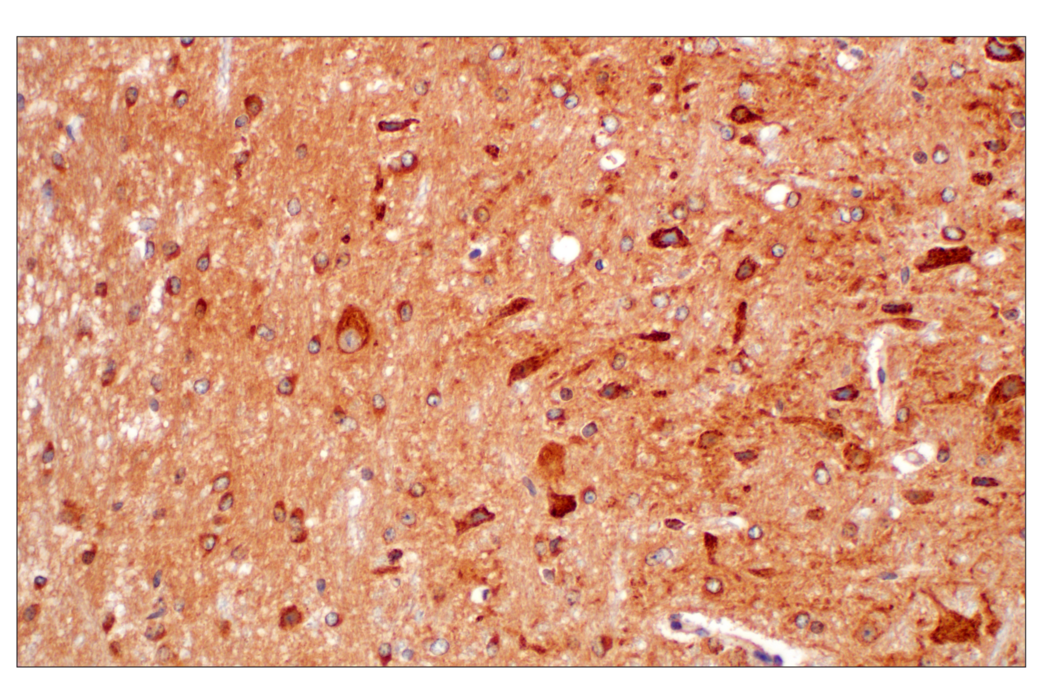
Phospho-α-Synuclein (Ser129): An Important PD Biomarker
Phosphorylation of α-Synuclein at Ser129 is highly toxic, causing degeneration of dopaminergic neurons. The mechanism by which neuronal degeneration occurs is an area of active research. Increased misfolding, aggregation, and accumulation of α-Synuclein phosphorylated at Ser129 are associated with PD.
GCase: A Lysosomal Enzyme Implicated in PD
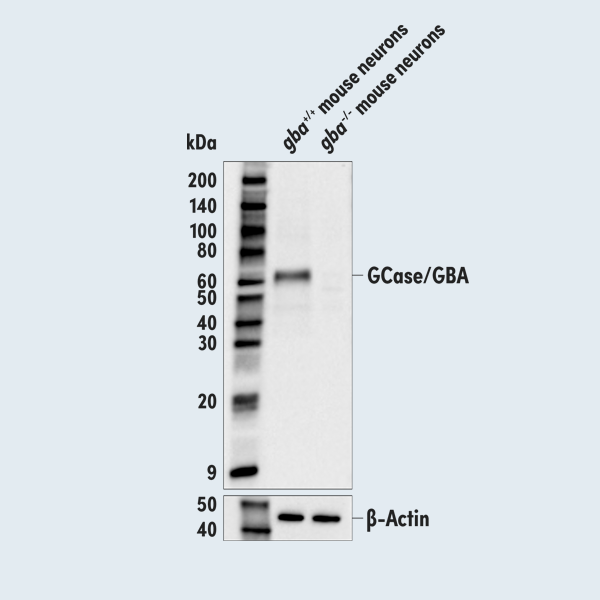
GBA mutations may play a direct role in accumulation of α-synuclein by mechanisms that are poorly understood, but may include mislocalization of lysosomal GCase causing impaired lysosomal degradation of α-synuclein. In collaboration with the NIH, CST product #88162 has been validated with knock-out mouse neurons.
Ready-to-use ELISA Kits enable detection of endogenous protein expression.
α-Synuclein: Ground-Breaking CSF Biomarker for Early PD Diagnosis
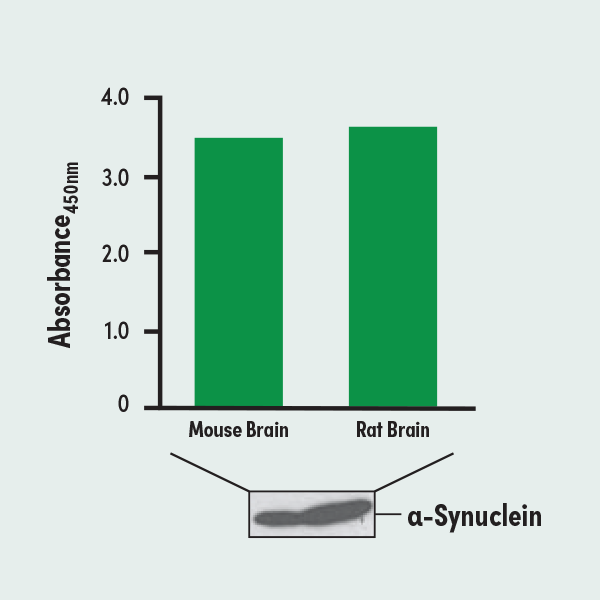
Synuclein pathology is one of the two biological hallmarks of PD. Recently, α-synuclein was shown to indicate PD before symptoms arise with high diagnostic accuracy and the ability to differentiate molecular subtypes, providing a critical tool for early detection of disease pathology, clinical trial design, and assessment of treatment effects.
LRRK2: A Promising Therapeutic Target for PD Treatment
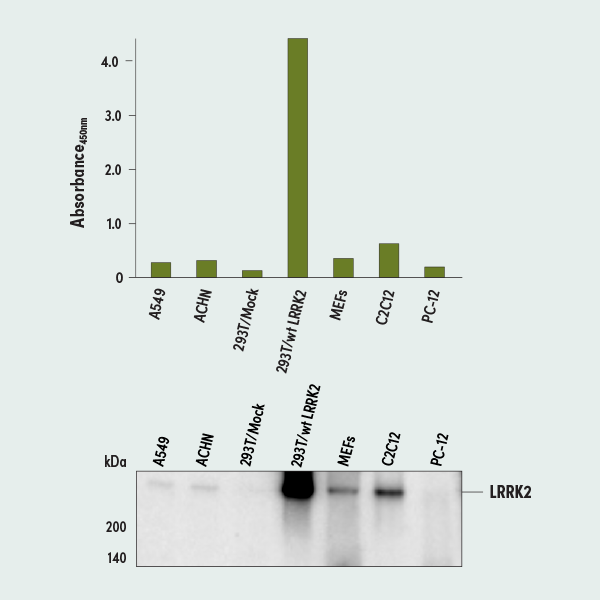
At least 20 LRRK2 mutations are linked to PD. The G2019S mutation is the most prevalent, causing increased LRRK2 kinase activity that induces a progressive reduction in neurite length and leads to progressive neurite loss and decreased neuronal survival.
The same Matched Antibody Pairs found in ELISA Kits are also available for purchase separately. Conjugation to biotin, Phycoerythrin (PE), and other fluorescent dyes is available. Matched Antibody Pairs are best suited for use in high-throughput ELISA-like technologies, such as MSD, Quanterix Simoa, AlphaLISA, TR-FRET, and more. Contact us for availability, lead times, and pricing.
PD Experimental Design & Assay Enablement Resources
Characterize Cells with Confidence
Your favorite recombinant antibodies. Now in even more host species. Find the right target-specific reagent for your next multiplex IF experiment, so you can plex with confidence using your existing workflow.
Matched Antibody Pairs Adaptable to Immunoassay Platforms
Matched Antibody Pairs can be used to develop high-throughput immunoassays for ELISA-like applications. We have rigorously validated all of our Matched Antibody Pairs for specificity, sensitivity, and performance via sandwich ELISA. Streamline your high-throughput immunoassay development.
Ready-to-Use ELISA Kits
Choosing the right ELISA kit is important, and we want you to get the absolute best results for your PD research project. Here’s a quick comparison of our FastScan PathScan, and PathScan Rapid Protocol (RP) ELISA kits to help you decide.
About the CST Partnership with MJFF
At Cell Signaling Technology (CST), our commitment to the Michael J. Fox Foundation (MJFF) is deeply personal. We do more than just develop the high-performance antibody tools essential to your neuroscientific breakthroughs; we actively champion the researchers who are pushing the boundaries of what’s possible in the field.
Impact Beyond the Bench
Our partnership extends from the laboratory to the community. We are proud to reinvest in the MJFF mission through dedicated fundraising and advocacy, including:

Signaling for a Cure:
Our signature team fundraising event supporting the annual Boston Parkinson’s Walk/Run.

MVP Community:
Active participation in the MJFF Team Fox community as MVPs, fundraisers dedicated to supporting the MJFF at the highest level.
By aligning our technical expertise with a boots-on-the-ground commitment to philanthropy, we ensure that every dedicated effort brings us closer to a world without Parkinson’s disease.